Introduction
In the lush landscapes of Erie, Pennsylvania, landscapers are on the forefront of transforming outdoor spaces. As environmental concerns intensify, sustainable hardscaping options have emerged as not just a trend but a necessity. This article delves deep into the various sustainable hardscaping techniques and materials available for landscapers in Erie, PA. From eco-friendly materials to innovative designs that enhance biodiversity, we aim to equip you with all the knowledge you need to make informed decisions.
Sustainable Hardscaping Options for Landscapers in Erie, PA
Sustainable hardscaping involves designing outdoor spaces using environmentally friendly practices and materials. For landscapers in Erie, PA, this can mean anything from choosing permeable pavers to incorporating native plants into hardscape elements. The goal is to create functional and aesthetically pleasing outdoor areas while minimizing environmental impact.
Why Choose Sustainable Hardscaping?
Environmental Benefits: Utilizing sustainable materials reduces landfill waste and conserves resources. Economic Savings: While initial costs may be higher, long-term savings come from reduced maintenance and lower utility bills. Aesthetic Appeal: Eco-friendly designs often incorporate natural elements that blend harmoniously with the surrounding landscape.Key Considerations for Sustainable Hardscaping
- Local Climate: Understanding Erie’s climate is crucial when selecting materials. Soil Type: Different soils react differently to landscaping choices; knowing your soil helps inform material selection. Water Drainage: Effective water management is essential to prevent erosion and flooding.
Materials for Sustainable Hardscaping
1. Permeable Pavers
Permeable pavers are a fantastic choice for landscapers looking to promote water absorption and reduce runoff.
- Benefits: Allows rainwater to seep through Reduces puddling Helps recharge groundwater supplies Common Materials: Concrete, brick, or stone with gaps designed for vegetation.
Installation Tips
Ensure proper grading for drainage. Use a base layer of gravel or sand beneath the pavers. Regularly maintain gaps by adding soil or new vegetation.2. Reclaimed Stone
Reclaimed stone offers a rustic charm along with sustainability credentials.
- Benefits: Reduces demand for new materials Unique aesthetic due to weathering Common Uses: Patios, walkways, and retaining walls.
How to Source Reclaimed Stone
- Check local demolition sites or architectural salvage yards. Look online on platforms specializing in reclaimed building materials.
3. Bamboo
Bamboo is an underutilized material that can add elegance while being incredibly sustainable.
- Benefits: Fast-growing and highly renewable Durable under various weather conditions Common Uses: Fencing, decking, and decorative elements.
Maintenance
It requires minimal upkeep but should be treated against pests if used outdoors extensively.
Design Strategies for Sustainable Hardscaping
4. Integrating Native Plants
Integrating native plants into hardscape designs creates a symbiotic relationship between built structures and natural ecosystems.
- Benefits: Attracts local wildlife such as birds and butterflies Requires less water and maintenance compared to non-native plants
Recommended Native Plants for Erie, PA
| Plant | Benefits | |--------------------|------------------------------| | Purple Coneflower | Attracts pollinators | | Black-eyed Susan | Drought-resistant | | Switchgrass | Erosion control |
5. Edible Landscaping
Incorporating edible plants into hardscape designs is becoming increasingly popular among homeowners seeking functionality alongside beauty.
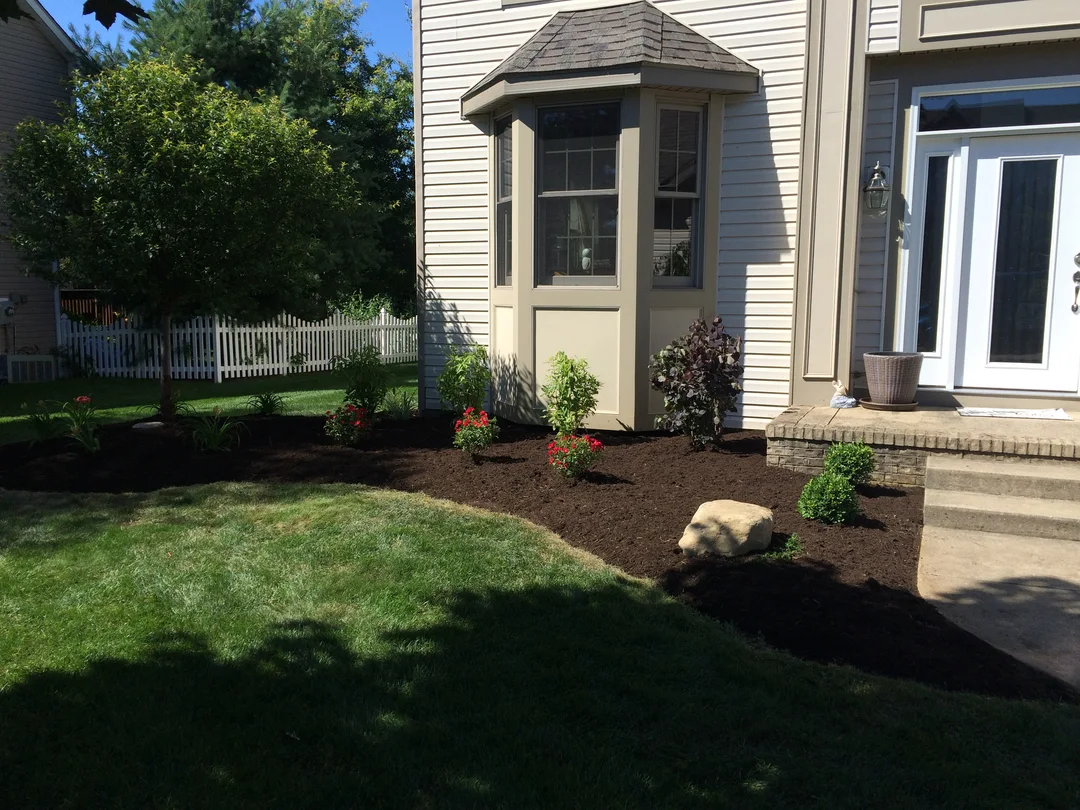
- Benefits: Provides fresh produce right at home Adds unique textures and colors to landscaping
Ideas for Edible Landscaping
Herb gardens along pathways Fruit trees integrated within seating areas Vertical gardens on walls using climbing vegetablesWater Management Techniques in Hardscaping
6. Rain Gardens
Rain gardens serve both aesthetic and environmental purposes by collecting rainwater runoff from impervious surfaces like driveways or roofs.
- Benefits: Filters pollutants before they reach waterways Enhances local biodiversity by attracting wildlife
Designing a Rain Garden
Select an appropriate location based on drainage patterns. Incorporate native plants that thrive in wet conditions. Create a slight depression where water can pool temporarily after rainfall.7. Dry Creek Beds
Dry creek beds mimic natural waterways while managing excess rainwater effectively without standing pools forming around hardscape features.
- Benefits: Erodes less compared to traditional drainage systems Enhances visual interest in landscaping designs
Construction Steps
Outline the desired path with stakes or string. Excavate a shallow trench following the outline. Line it with landscape fabric before filling it with rocks or gravel.Innovative Techniques in Sustainable Hardscaping
8. Green Roofs
Green roofs landscaping in Erie PA are an innovative way of integrating vegetation directly onto rooftops of structures within landscapes designed by landscapers in Erie, PA.
- Benefits: Reduces heat island effect Improves insulation properties of buildings
Components of Green Roofs
Waterproof membrane Drainage layer Growth medium9. Living Walls
Living walls represent another cutting-edge technique where vertical surfaces are adorned with plant life enhancing both aesthetics and air quality indoors/outdoors alike.
- Benefits: Increases property value Provides cooling effects naturally
How to Implement Living Walls
Choose appropriate wall structure (steel frame vs wood). Consider sunlight exposure when selecting plant types. Install irrigation systems if necessary depending on plant needs.FAQs about Sustainable Hardscaping Options in Erie, PA
Q1: What is sustainable hardscaping?
A: Sustainable hardscaping refers to creating outdoor spaces using environmentally responsible techniques and materials that minimize ecological impact while enhancing aesthetics and functionality.
Q2: Why should I use permeable pavers?
A: Permeable pavers allow rainwater to pass through them instead of running off into storm drains which helps recharge groundwater supplies and prevents flooding issues around properties in Erie PA.
Q3: Are there specific native plants recommended for landscaping in Erie?
A: Yes! Plants like purple coneflower, black-eyed Susan, and switchgrass do well in Erie’s climate while requiring less maintenance compared to non-native species.
Q4: How often do I need to maintain my rain garden?
A: Maintenance typically involves periodic weeding during growing seasons (spring/summer) alongside checking drainage paths ensuring no blockages occur post-rainfall events!
Q5: Can I combine edible landscaping with traditional garden design?
A: Absolutely! Mixing herbs like basil along walkways or planting berry bushes within flower beds enhances both beauty & functionality throughout your landscape design!
Q6: What are some eco-friendly alternatives for fencing?
A: Options include bamboo fences which grow quickly & sustainably while providing privacy as well as recycled wood options available locally reducing overall carbon footprint associated with new material production!
Conclusion
Sustainable hardscaping options present an exciting opportunity for landscapers working in Erie, PA—a chance not only to beautify spaces but also contribute positively towards environmental stewardship! By integrating practices such as utilizing permeable pavements or incorporating local flora into designs—everyone benefits; homeowners enjoy vibrant landscapes while our planet breathes easier too!
As we move forward embracing these eco-friendly methodologies let us remember—it’s not merely about aesthetics; it’s about forging connections between nature & humanity through mindful design choices fostering harmony wherever we tread!